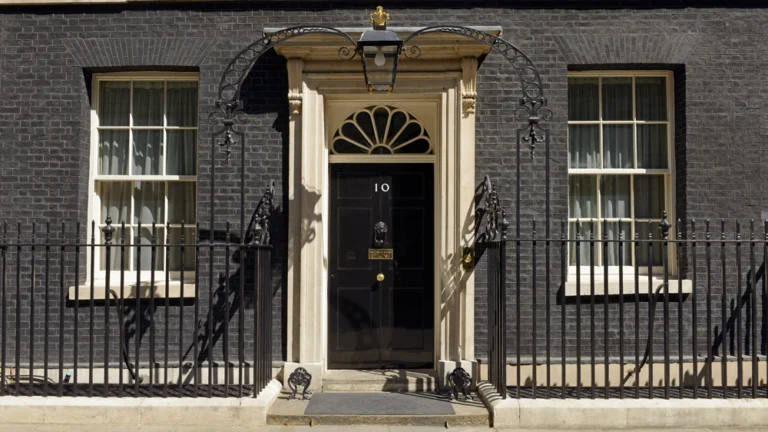
28 Oct 2026
More tax reliefs, more complexity
Takeaways from John Healey’s first Budget
The last Budget by Denis Healey was on 3 April 1979, which was a stopgap Budget with a general election in prospect. Maybe some things change and some things stay the same, as Chrissie Hynde told me.
What themes emerged?
On 28 October, John Healey produced a Budget in which many things changed and yet the overall impact is pretty modest. In terms of themes, it’s an attempt to provide some short-term financial support for the population through limited energy cost subsidies, funding short-term government expenditure through reducing the “buffer” or “fiscal headroom”, cutting capital expenditure and some tax rises with a government interventionist approach to try to boost growth.
The broader theme is British growth through private enterprise backed by an active state, with relief on energy bills, fuel costs and business rates alongside support for investment, defence-led re-industrialisation and greater local control over tax revenues. Housing is presented as a foundation of opportunity and security while public service and welfare reform and AI are expected to enable better services with tight finances. The thrust is to back work and productive investment and raise more revenue from banks, gambling, property income and savings income.
In that respect, it is definitely a pre-1979 economic strategy and more akin to the 1960s. It’s reminiscent of prices and incomes policies and Harold Wilson’s “white heat of technology”. Tony Benn might have approved. Re-industrialization was emphasised. As was supporting high streets. The vision presented was the Plymouth of my youth (but we had a much bigger navy then).
The vision is alluring and this government is strong on vibes. An alternative view might be gaming the government’s fiscal rules, raiding the rainy-day fund and cutting capital expenditure. In football parlance, maybe more kick and hope.
Spending commitments
Looking at the key spending costings, the position is as follows:
| Item | 2026/27 £bn | 2026/27 £bn | 2028/29 £bn | 2029/30 £bn |
| New rough sleeping & housing | 0.1 | 0.7 | 1.1 | 0.6 |
| Defence net of cuts to capital expenditure | 2.4 | 1.2 | 0.5 | 0.4 |
| Energy subsidies | 4.0 | 1.1 | – | – |
| 6.5 | 3.0 | 1.6 | 1.0 |
What is evident is that there is a big outlay on energy subsidies in the next year or so, which is largely taken from the fiscal headroom. The defence expenditure is more modest than the headline figures because of cuts to capital expenditure budgets. The numbers are pretty modest in the context of government interventions in the recent past.
Key tax changes
Many of the detailed tax changes will be very relevant to our clients, even though some do not take effect for several years.
The big numbers are:
- Changes to capital allowances by cutting writing down allowances from 14% to 12%, which is only cashflow but the hit is outside the time horizon of the forecasts – raises about £1bn a year from 2027/28
- Changes to corporate tax including on typical family succession arrangements – raises £0.8bn from 2029/30
- Changes to permanent establishments and foreign sovereign investments – raises about £1bn a year from 2028/29
- Increased tax rates on property and savings income from April 2027, with a further increase announced before the previously announced rate has even taken affect – raises about £1bn from 2028/29
- Increased tax collection from affluent taxpayers – raises about £2bn a year from 2029/30
Implications for the tax system
HMRC has sharpened its focus on wealthier taxpayers, a category which in its view includes anyone with annual income of £200,000 or more or assets of at least £2m in any of the last three years. How good HMRC’s data on these individuals is is anyone’s guess and independent taxation makes it harder for HMRC to collect information.
HMRC’s strategy promises better use of data and technology alongside specialist expertise to identify risks across individuals’ businesses, investments, trusts and overseas interests. The aim is a more targeted approach to collecting existing taxes, with scrutiny directed towards the cases HMRC considers highest risk rather than everyone above those thresholds. Whilst as a taxpayer that sounds great, in terms of good enforcement activity, the reality is going to be more enquiries and people might feel picked on by HMRC based on a computer algorithm. It all depends on how well the linkage and technology approaches work.
The increase in the tax rates on property income and savings income – with a 4% surcharge compared to the main rates of income tax from April next year – will be significant for some taxpayers. It’s effectively a reintroduction of an unearned income surcharge. It views those receiving the income as “rentiers” and deserving of higher tax. I anticipate that it will encourage more incorporation of property and investment businesses.
The announcement of a new founders’ relief for capital gains tax from April next year is positive but it is combined with cutting back the lifetime limit for business asset disposal relief to £500,000 at the same time. With the very restrictive proposed rules for founders’ relief alongside a field that already contains investors’ relief and the enterprise investment scheme, it’s not clear how motivating the measure will be.
It feels like a penny-pinching approach when we need something bolder to incentivise the investment of capital. Too many reliefs, too restrictive and all very arbitrary as to what tax rate you end up with. Probably good work for tax advisers but I’m not sure the professional indemnity insurers will be thrilled.
The government wants more investment but keeps making the tax system harder for investors to navigate. Another narrowly drawn relief is no substitute for clear rules that give people confidence to commit their money. If we want businesses to think long term, the tax system needs to stop making them guess.
Review your plans after Budget 2026
Tax changes can have very different implications depending on your circumstances. Our tax advisers can help you understand what The Budget means for you, your business and your long-term plan.
Latest budget insights

Founders' relief, BADR and capital gains tax: Budget tax changes for business owners planning a sale
28 October 2026
Read


Greater devolution is coming, but is it enough to reform local government finance?
28 October 2026
Read

Budget 2026: Will family businesses get help to grow or just another tax squeeze?
5 October 2026
Read