


31 Mar 2021
New hybrid working policy offers staff more flexibility
New hybrid working policy offers staff more flexibility
Staff at PKF Francis Clark will have greater freedom to choose where they work in future, after remote working practices during the pandemic proved popular and successful.
The firm has adopted a new hybrid working policy in response to a survey of employees, which found 76% want a combination of home and office working to continue. Only 8% are longing to return to the office full-time when social distancing ends, while 16% would happily work from home every day.
The guiding principle is that our commitment to client service remains unchanged regardless of work location
People director Amy Taylor said the firm’s experience over the past 12 months has shown it’s possible to improve job satisfaction without compromising client service.
“The pandemic has accelerated changes in the world of work and demonstrated that technology enables accountants and other professionals to work very effectively from home,” she said. “Many people have also reported less stress and better work-life balance without the daily commute.
“We quickly recognised that giving people more flexibility over where, how and when they work will be increasingly important for professional services firms as we strive to recruit and retain the best talent. A clear majority of our people told us they would prefer a combination of home and office working after the pandemic, so our new hybrid working policy sets out how we will enable this.
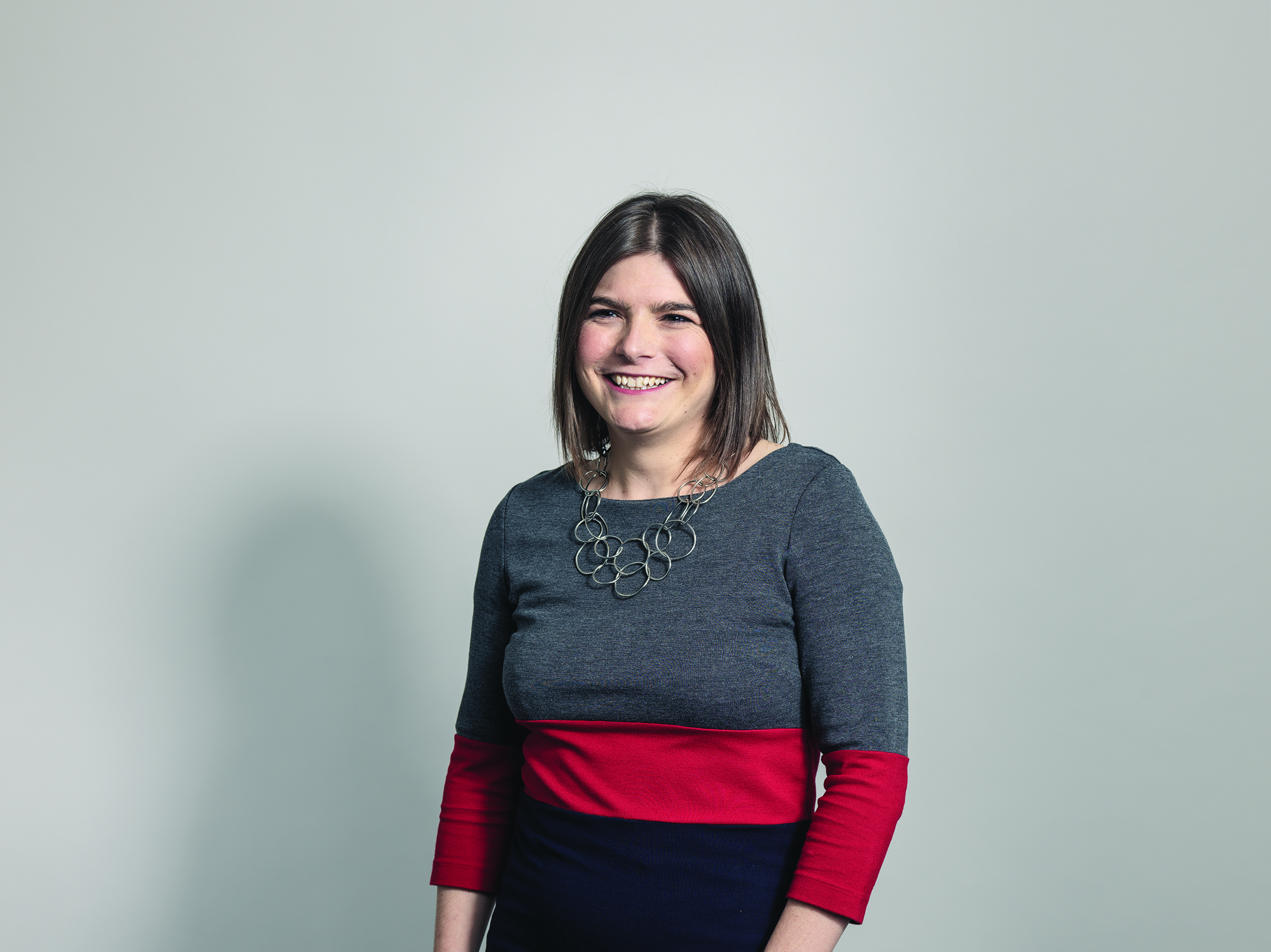
Amy Taylor, People director at PKF Francis Clark
“The guiding principle is that our commitment to client service remains unchanged regardless of work location. Beyond that, we believe people should be free to decide where they work in consultation with their manager, based on their personal circumstances and the nature of the work they are doing.
“We also believe performance should be measured based on output, rather than face time spent in the office or online.”
Workshops will be taking place during April and May to involve all staff in designing their teams’ future working practices.
Finding the right balance between home and office working will be key to making our work lives more fulfilling and rewarding
Under the new hybrid working policy, staff who are working remotely are encouraged to set boundaries between their work and home life, creating a routine and structure that allows them to switch off at the end of the working day. Video meetings are favoured over phone calls to promote effective communication.
It is recommended that team meetings are held with everyone attending either face-to-face or virtually, rather than a mixture of the two. Recognising that on the job training and learning from experienced colleagues is more difficult to achieve remotely, trainees and their instructors are likely to spend more time in the office.
“We expect that most people will spend a proportion of their time in the office in future, not least because social interaction is essential to us all,” added Amy. “While we’ve been able to replicate some of those informal interactions through online social activities and things like virtual coffee breaks on Teams, our culture and team cohesion are vitally important, so we still need to meet face-to-face sometimes to get to know each other better and enjoy each other’s company.”
Other reasons for attending the office include face-to-face client meetings, reviewing materials together and tasks that call for collaboration, problem solving and group discussion.
“Everyone has learned over the past year that there are advantages and disadvantages of both office and home working,” said Amy. “We believe a hybrid approach will enable us to build on the advantages and minimise the disadvantages. As life returns to normal, finding the right balance between home and office working will be key to making our work lives more fulfilling and rewarding.”
Find out more about careers at PKF Francis Clark.
Written by
Get in touch
Related insights






Budget 2026: Will family businesses get help to grow or just another tax squeeze?
5 October 2026
Read
Academy trusts: key findings from the Department for Education assurance report
25 September 2026
Read

Capital Goods Scheme threshold rise to £600,000 : When does the new limit apply?
24 September 2026
Read


Business exit strategy and succession: routes, tax considerations and how to choose
16 September 2026
Read